☰ home.allCategories
 EU | EN |
 home.welcomehome.signIn / home.register
0 home.cart
EU | EN | home.welcomehome.signIn / home.register
0 home.cart
EU | EN | 0 home.cart
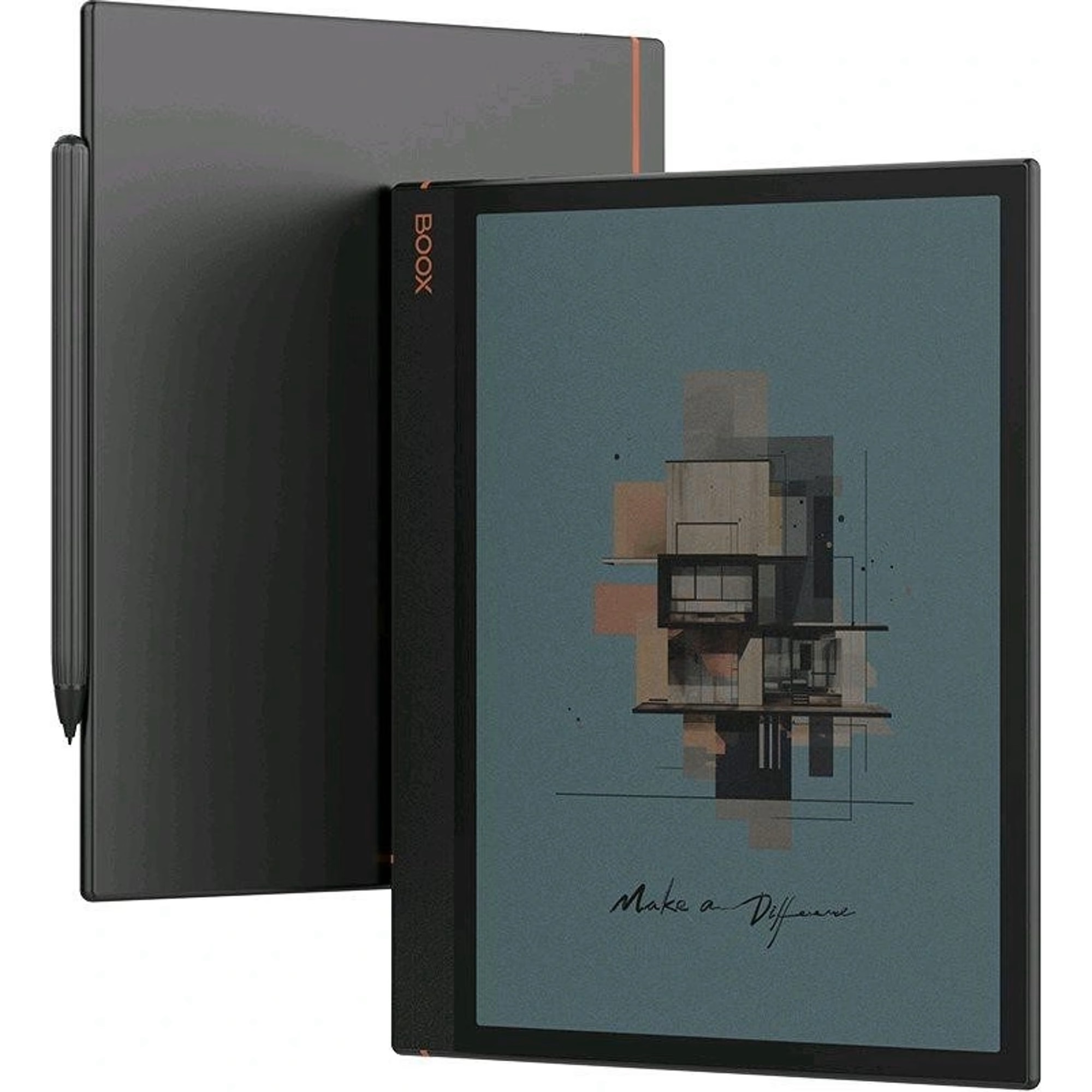
Onyx Boox Note Air 4 C
BeyTechproduct.aboutProduct
product.sku
Czhe-OnyxAir4
product.category
Laptops, Tablets & E-Readers
product.brand
Onyx
product.supplier
Beyston
product.weight
0.5kg
home.listPrice: €781.47
Andorra - €14
Quantity - 1
20 product.inStock
discountCoupon.discountCoupons
product.checkingViewers
product.otherOffersFromSellersOnBeyston
product.description
Onyx Boox Note Air 4 C
Device Type: Color e‑Paper Notebook / Reader
Model: Note Air 4 C
Main Specifications
- Screen: 10.3‑inch Kaleido 3 color E‑Ink + Carta 1200, flat cover‑lens, anti‑glare layer :contentReference[oaicite:0]{index=0}
- Resolution: Black‑&‑white mode: 2480 × 1860 (~300 PPI); Color mode: 1240 × 930 (~150 PPI) :contentReference[oaicite:1]{index=1}
- RAM / Storage: 6 GB RAM, 64 GB internal storage :contentReference[oaicite:2]{index=2}
- OS: Android 13 :contentReference[oaicite:3]{index=3}
- Processor: Octa‑core + BOOX Super Refresh (BSR) GPU :contentReference[oaicite:4]{index=4}
- Front Light: Yes — dual color temperature (warm and cold) CTM lighting :contentReference[oaicite:5]{index=5}
- Connectivity: Wi‑Fi (2.4GHz + 5GHz), Bluetooth 5.1, USB‑C (with OTG support), microSD slot, dual speakers, built‑in microphone :contentReference[oaicite:6]{index=6}
- Other hardware features: Stylus input (BOOX Pen Plus) with ~4096 levels pressure sensitivity; power button with fingerprint recognition; G‑sensor for screen rotation :contentReference[oaicite:7]{index=7}
- Battery: ~3,700 mAh Li‑Poly battery :contentReference[oaicite:8]{index=8}
- Weight & Dimensions: ~420 grams; size ≈ 226 × 193 × 5.8 mm :contentReference[oaicite:9]{index=9}
Highlights / Features
- Improved Kaleido 3 color display for better color hues and contrast compared to previous generation. :contentReference[oaicite:10]{index=10}
- BSR (“Boox Super Refresh”) technology to reduce ghosting and improve refresh behavior on color e‑Ink. :contentReference[oaicite:11]{index=11}
- Better performance – expanded RAM and newer chipset vs the previous Note Air 3 C. :contentReference[oaicite:12]{index=12}
- Feature‑rich note taking: split‑screen, annotating tools, installing third‑party apps thanks to Android OS. :contentReference[oaicite:13]{index=13}
- Front light with cold and warm tones for reading in different lighting conditions. :contentReference[oaicite:14]{index=14}
Advantages
- Very good for reading + note taking, especially PDF or documents, due to large 10.3‑inch screen.
- Color screen adds versatility for reading comics, diagrams, or content where color helps.
- Modern features and hardware (good RAM, storage, Android OS) give flexibility beyond just an e‑reader.
- Relatively lightweight and thin for its class, making it portable for its size. :contentReference[oaicite:15]{index=15}
Limitations / Things to Keep in Mind
- Color mode has lower resolution and less sharpness than black & white mode; color PPI is significantly less. :contentReference[oaicite:16]{index=16}
- Battery life in heavy usage (WiFi on, front light used, using apps) can drain faster; some users report noticeable battery drop with color & front light. :contentReference[oaicite:17]{index=17}
- While the hardware is improved, still not as responsive or fast as a regular tablet with LCD/OLED, especially for very complex tasks. :contentReference[oaicite:18]{index=18}
- Kaleido color e‑Ink tends to have duller or less vivid colors compared to LCD/OLED screens; color contrast not perfect. :contentReference[oaicite:19]{index=19}
Conclusion
The Onyx Boox Note Air 4 C is a strong choice if you want a device that combines reading, note taking, and some colored content, with the benefits of an e‑paper display (low eye strain, outdoor readability). It offers modern hardware, versatile software, and enough power to support varied uses. If most of your content is monochrome text, you'll get excellent sharpness; if you often use color content or apps, be aware of the trade‑offs in battery life and display vividness.